
Start
Free Chances Evaluation
You answer a few questions. Jörn gets back to you personally with an honest assessment of which divisions and colleges are realistic.
- 2 minutes, tap only
- Personal reply
- First call with you and your parents
From the first click to your first practice at college. Three phases, one contact person, one plan.
Keep scrolling, the timeline moves with you.
Start
You answer a few questions. Jörn gets back to you personally with an honest assessment of which divisions and colleges are realistic.
Phase 1
We build your profile for US coaches: highlight video, athletic data, grades. We plan the English test, the Eligibility Center and all documents.
Phase 2
We introduce you to coaches who match your level, grades and wishes. We prepare you for the conversations and join the important calls.
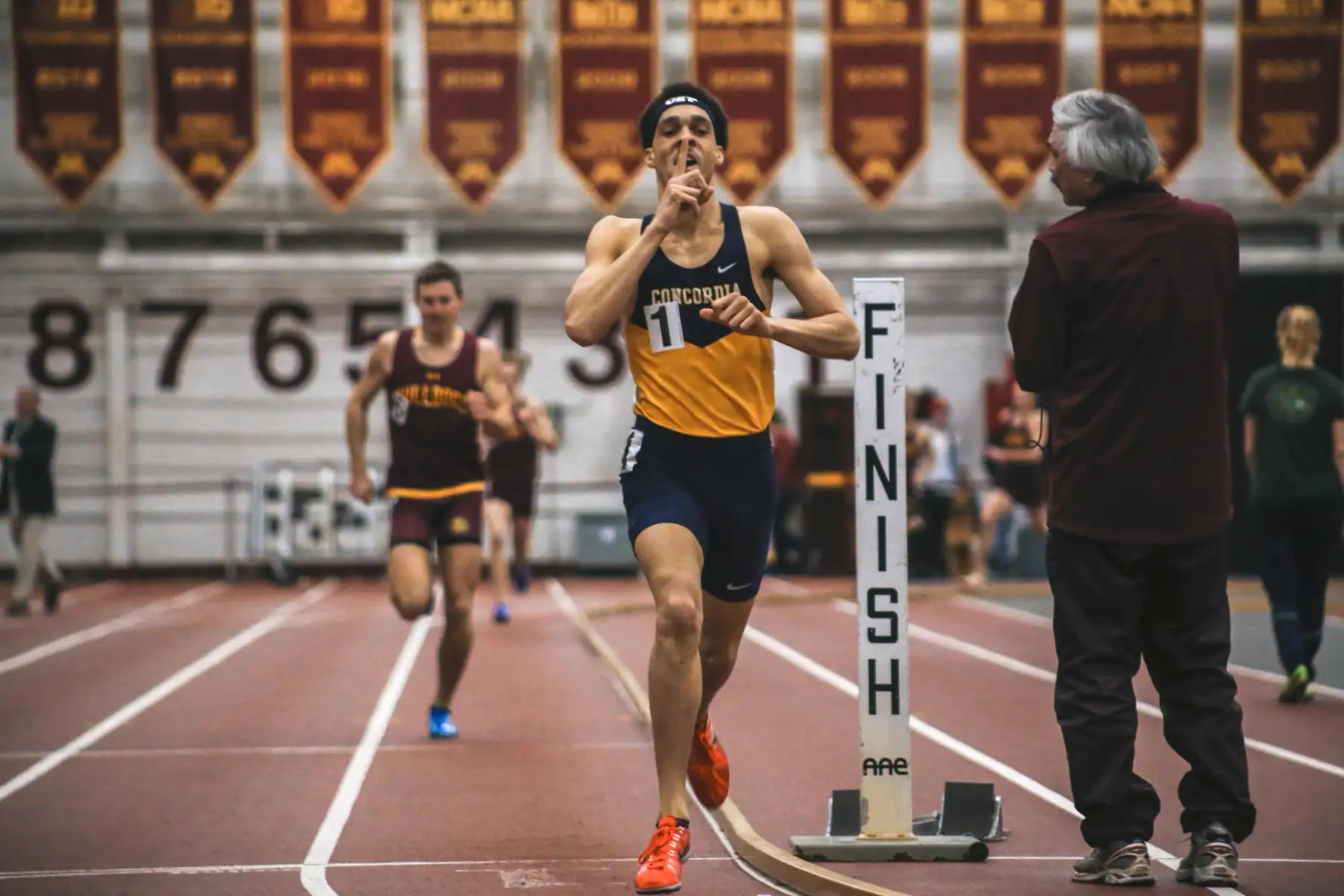
Phase 3
We compare offers with you and negotiate. Then we guide you through commitment, eligibility, I-20 and F-1 visa until departure.
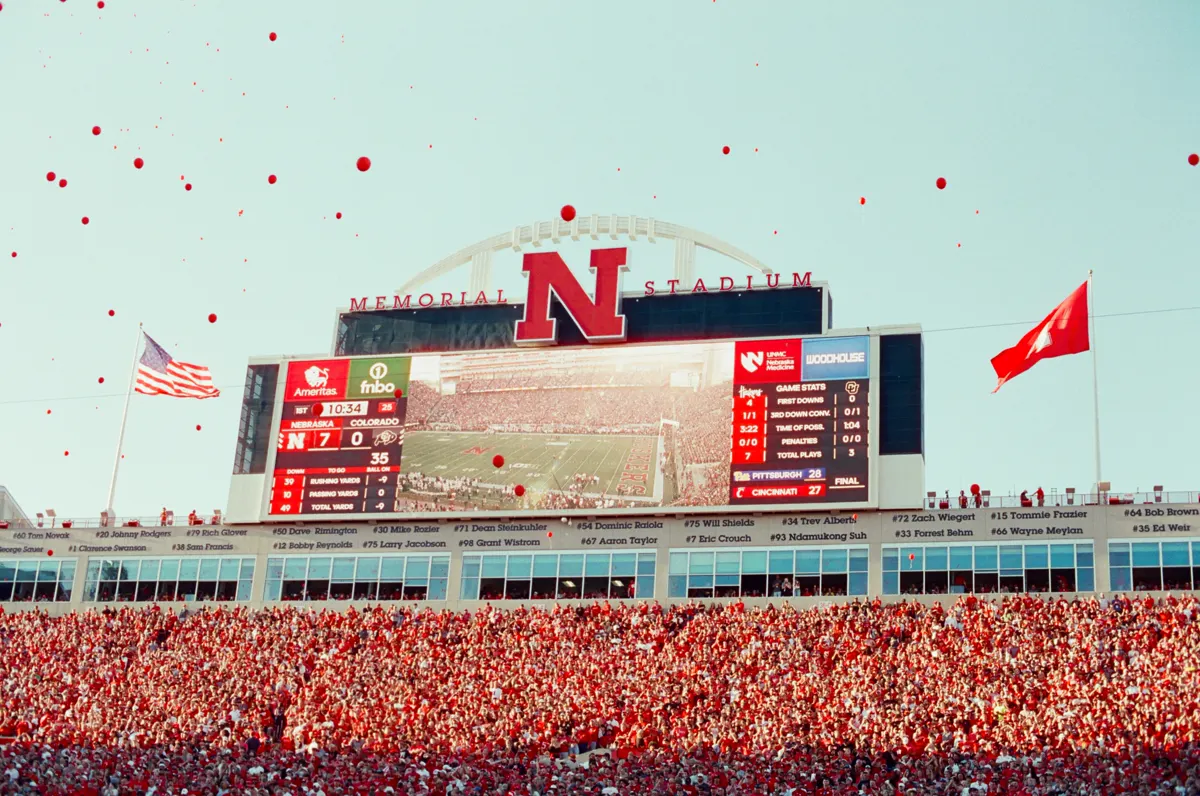
Arrival
You train, play and study. We stay reachable when questions come up.
The questions athletes and parents ask us most often.
You need an athletic profile that fits a college, the academic requirements and contact with the right coaches. Coaches award scholarships based on video, results, grades and conversations. We build your profile, introduce you to matching coaches and guide you through to the visa.
A year at a US college often costs between 20,000 and more than 60,000 US dollars including housing, depending on the school. An athletic scholarship covers part or, at best, all of it, often topped up with academic aid. Our support costs 1,500, 4,000 or 6,700 euros depending on the package, payable in four instalments.
It depends on sport, division and gender. NCAA Division 1 usually needs national level; for Division 2, the NAIA and junior colleges good regional leagues are often enough. The Sports page shows the benchmarks for your sport.
For NCAA Division 1 and 2 the Eligibility Center checks your grades from grade 9 and converts them into a GPA. Better grades open more colleges and bring additional academic scholarships. With average grades there are still routes, for example via the NAIA or a junior college.
Many colleges now accept the Duolingo English Test, which is cheaper and faster. Some still require the TOEFL. Each college decides which test and score it needs.
Yes. With the Mittlere Reife the route usually goes through a two-year junior college (NJCAA). Afterwards you can transfer to a four-year university and finish your bachelor's there.
Division 1 has the highest level, Division 2 offers many partial scholarships with strong sport, Division 3 gives no athletic scholarships. The NAIA is a separate association with scholarships; the NJCAA covers two-year junior colleges. Which fits depends on your level, grades and goals.
Full scholarships exist, but not for everyone and not in every sport. Typical is a partial scholarship from athletic and academic aid in the first year. Athletes who develop well often get more in the second year. There is no guarantee.
Ideally 12 to 18 months before your intended start, usually in grade 11. Later is possible, but the choice of colleges and scholarships is often smaller.
The Eligibility Center checks whether you may compete in NCAA Division 1 or 2 academically and as an amateur. You register, upload your transcripts and receive clearance. We guide you through every step.
A bachelor's degree from a regionally accredited US institution is generally recognized in Germany. Whether an institution counts as recognized is shown in the anabin database of the German education ministers (rating H+). Some professions, such as teaching or medicine, have their own rules.
You study on an F-1 student visa. Your college issues the I-20 form for it. Then you pay the SEVIS fee, complete the visa application and attend an appointment at the US embassy. We prepare you for it.
Yes, many start only after the Abitur. Important: depending on association and sport, a longer break can cost eligibility. So plan early and get advice.
On your own is possible but takes a lot of time and experience: writing to hundreds of coaches, comparing offers, handling eligibility and the visa. A good agency knows the coaches and the rules and negotiates for you. What matters is that prices and services are transparent.
At college your child lives on campus, in a team, with coaches, support staff and clear structures. We stay reachable after arrival too. Many parents describe the team as a second family.
Free Chances Evaluation. 2 minutes, tap only. Jörn gets back to you personally with your evaluation.